
Bad Roommates: Should I Adopt a Second Cat?

Jump to FAQ questions
Has my cat lived with another cat, and what was their relationship?
What is the behavior of my cat when they see an unfamiliar cat outside?
Do I have the space for more environmental resources and a room for my new cat?
Do I have time and energy to slowly introduce my new cat to my resident cat?
Do I have enough personal time to devote to each individual cat?
As a cat behavior vet in Austin, intercat tension is the #1 reason why cat parents seek my help. Even when the primary concern is something like peeing outside the litterbox or aggression towards people, there is often tension underlying the relationship between cats.
Intercat tension doesn't always manifest as overt aggression, with hissing, growling, swatting, chasing, or biting. It can look like staring, pupil dilation, active tail movement, flattened ears, hiding, avoidance, and other signs of fear, anxiety, or stress. In a multicat home you may also see body blocking, where one cat positions themselves in front of an environmental resource or area to block access or movement from the other cat. During housecalls I often see litterboxes placed side by side in laundry rooms. If one cat plants themselves in the doorway, they control access to all litterboxes, which may lead the other cat to find a more accessible toilet like the rug.
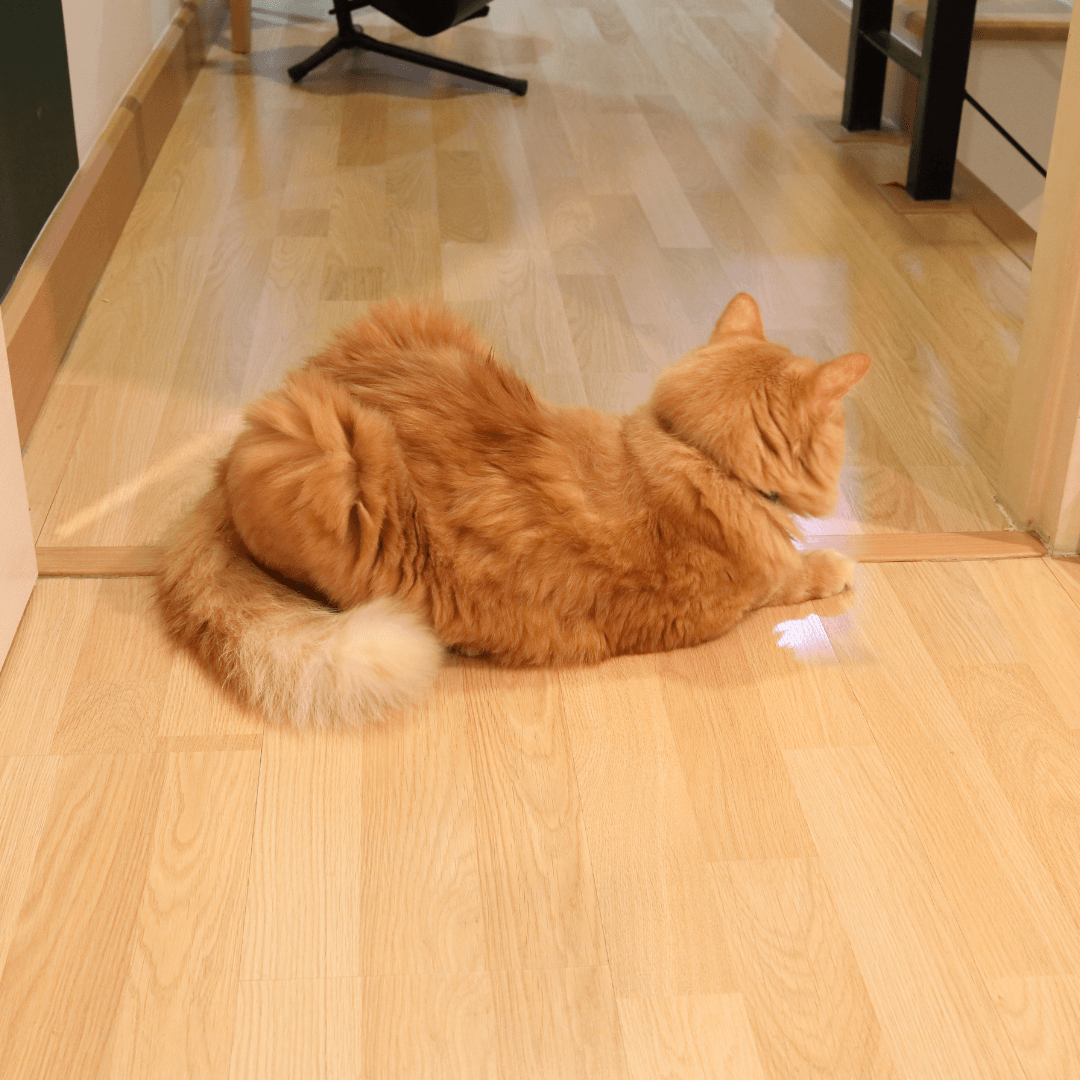
“You..shall...not…pass! While I body block this doorway.”
Tension between cats may start suddenly, such as when one cat develops a medical issue such as pain. However, with some of my patients tension can be traced back years to the initial introduction of one cat into the home.
If your cat has recently lost their BFF (best feline friend) or you’ve wondered if your only cat is lonely, it’s natural to think about adopting a second cat. Before taking that major step, the following questions will help you decide whether it’s the right decision for your home.
Has my cat lived with another cat, and what was their relationship?
Even if your cat was previously bonded with a housemate, this doesn't mean that they will bond with a new cat. Some cats were also never socialized with other cats during kittenhood. The sensitive period of socialization for cats is from 2-7 weeks, so if your cat grew up as a singleton who was raised without siblings, it may be more difficult for them to accept another cat.

Should singleton kittens from different litters be combined? Find out in this resource from the National Kitten Coalition.
It’s also important to consider the temperament of your resident cat before adoption. Shyer cats may be less comfortable with a new addition, whereas a more laid back cat may be more accepting. This resource from veterinary behavior specialists suggests that cat parents may want to match temperaments between cats.
What is the behavior of my cat when they see an unfamiliar cat outside?
Austin is full of free-roaming, unowned community cats as well as pet cats who go outside unsupervised. Some of these cats pass through our yards and driveways, and may even come up to the window or back door. If your cat tends to react to seeing a cat outside by hissing, growling, yowling, swatting, pacing, staring with active tail movement, or spraying urine to mark their territory, they may have a similar reaction when a new cat is brought inside your home.

“Get off my lawn, cat. This territory is claimed.”
How old is my cat?
Senior cats (cats > 10 years of age) can be more sensitive to changes to their household or routine. When a kitten or kitten littermates are introduced, they may playfully chase or pounce on your senior, or ambush them when they’re using the litterbox. There may also be tension when an adult cat is introduced to your resident senior. Every cat relationship is unique, and when your senior loses their cherished companion, it may be best to prioritize your senior cat’s wellbeing and existing routines without the disruption that a new cat can bring. This is especially true if your cat has underlying issues impacting their physical health (see next item).
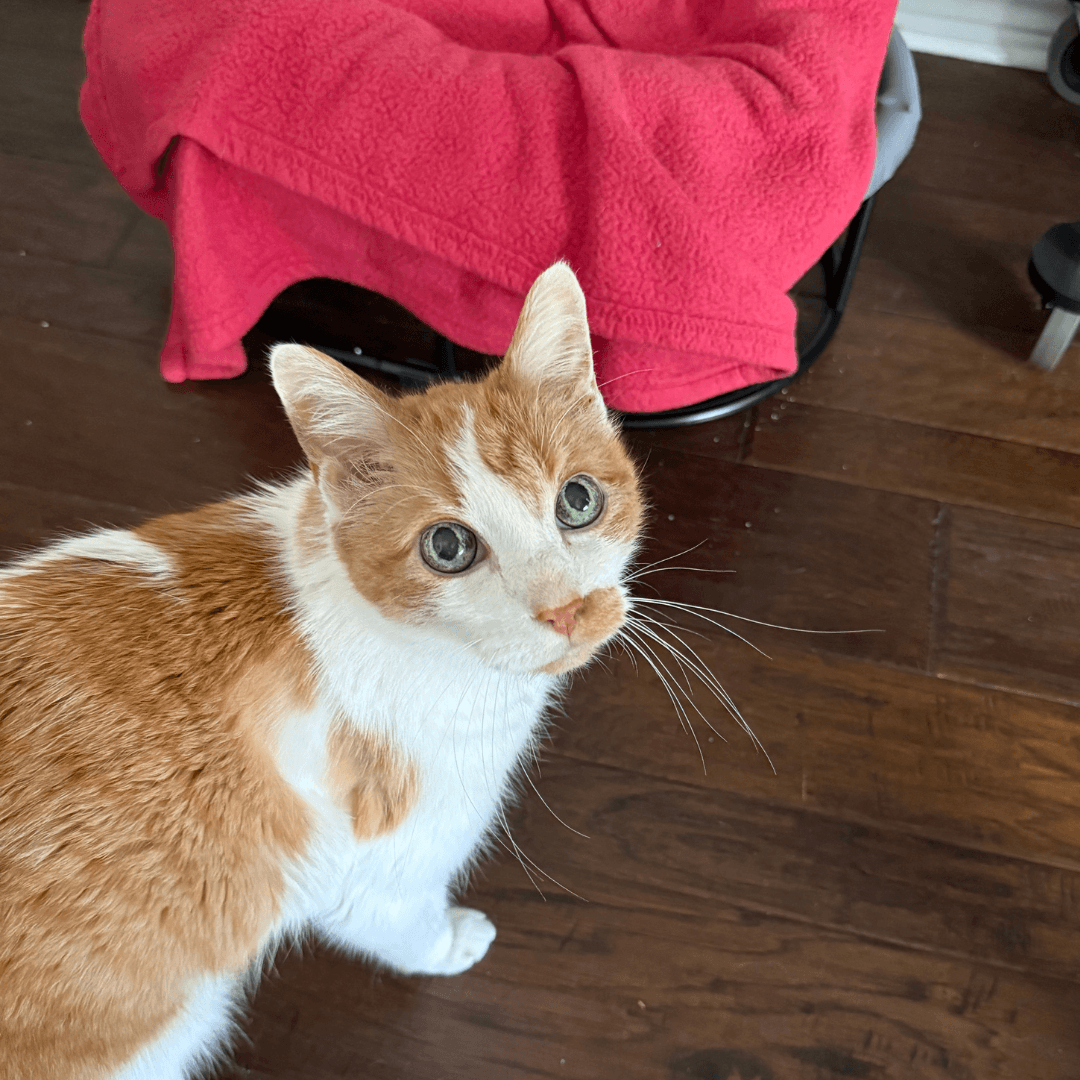
“I’m 19 years old and according to this blog you wrote, I’m sensitive to change. Which reminds me that you’re 1 minute late for my dinner.”
Does my cat have any existing medical or behavioral issues?
Prior to all of my cat behavior housecalls, I obtain a thorough medical history by reviewing veterinary records and learning about current physical symptoms. Why? Because medical conditions like pain, vomiting, hyperthyroidism, hypertension, kidney disease, diabetes, and feline interstitial cystitis (FIC) impact quality of life, and may lead to behavioral manifestations such as aggression or peeing outside the litterbox. I also want to know what’s affecting my patients behaviorally outside of the primary behavior concern. If my patient has anxiety or has a phobia of noises, these also impact wellbeing and may be influencing other behaviors.
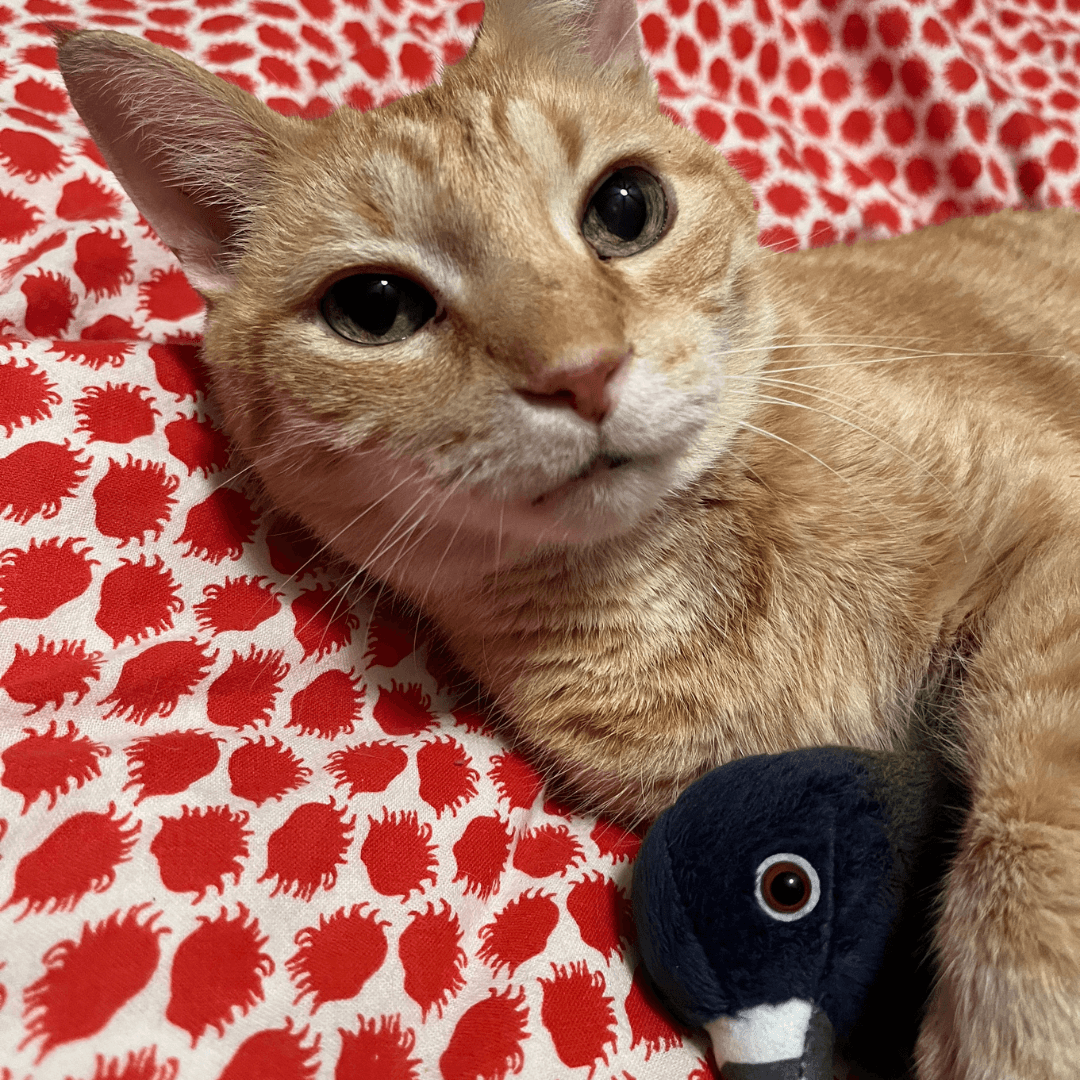
The late Mr. Bundles began showing increased aggression towards his feline housemates before he was diagnosed with hypertension and hyperthyroidism.
Both medical and behavioral conditions contribute to stressor stacking, a circumstance in which multiple stressors stack on top of each other within a short period of time and cause your cat to have a bigger behavioral reaction. In other words, your cat may already be experiencing chronic stressors prior to the introduction of a new cat. Working with your veterinarian is always advised to improve your cat’s overall quality of life, and discussing these concerns before adoption will help ensure you’re taking the potential for stressor stacking under consideration. Your vet can also help ensure your cat is feeling as good as possible before introducing a new cat.
As senior cats are more prone to having medical conditions, I recommend approaching adoption even more carefully in those circumstances. The Feline Veterinary Medical Association goes further. Per their 2024 intercat tension guidelines, “caregivers should not consider adopting another cat if a resident cat is a senior with medical concerns.”
Do I have the space to increase and separate environmental resources in my home, as well as a private room that I can dedicate to my new cat?
Key environmental resources for cats are feeding areas, water, litterboxes, scratchers, resting areas, and play areas. Additional environmental essentials are hiding spots and vertical space to help your cat feel safe. In single cat homes, resources should be multiple and separated in different areas to provide cats with choice. In homes with multiple cats or prior to adoption of a new cat, resources should be increased even more to prevent competition, which is a common contributor to intercat tension.
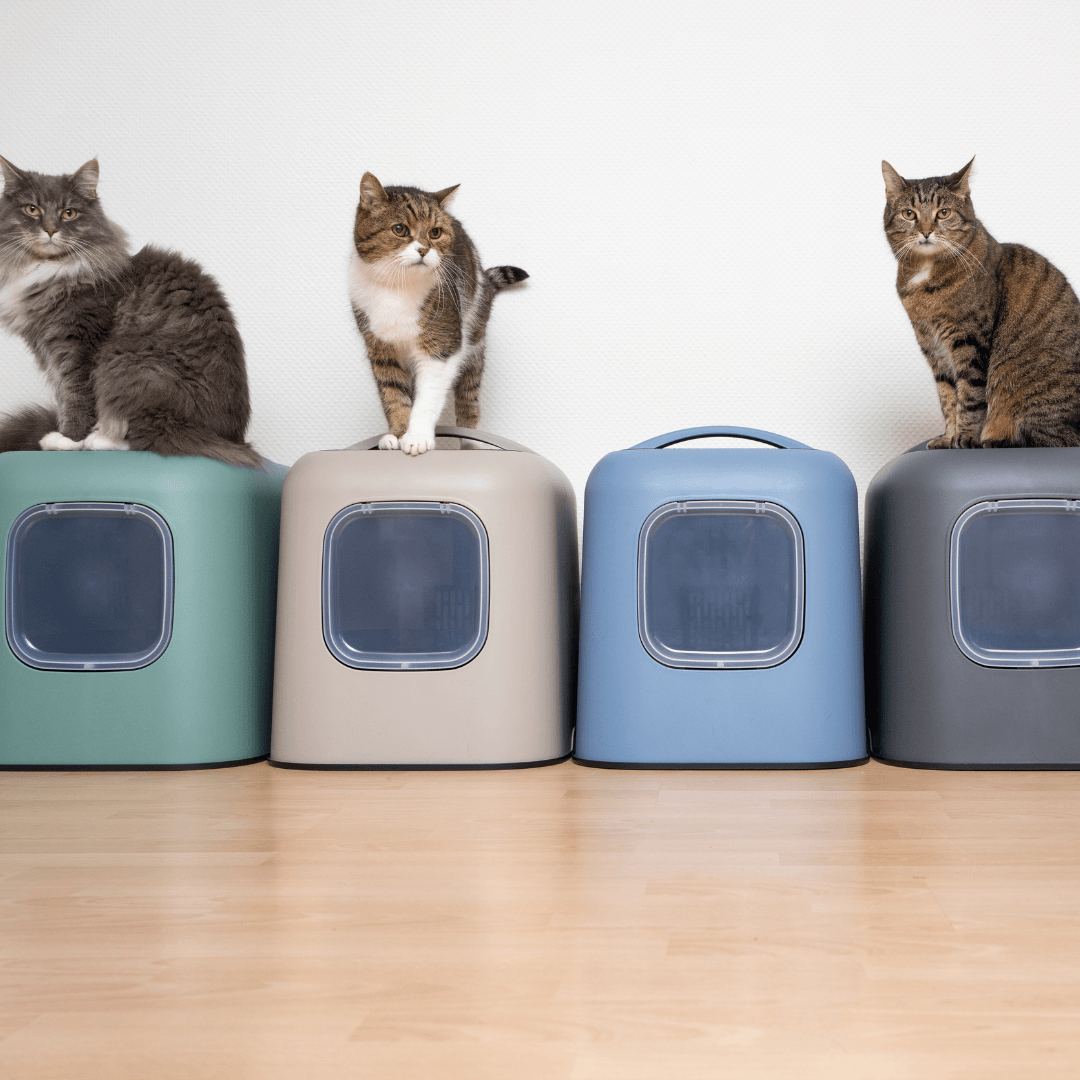
Self-quiz! Name 3 areas for improvement in this pic.
1. Four boxes in a row = one litterbox area.
2. Like most commercial litterboxes, these boxes are too small.
3. Covered boxes may not be preferred by many cats, and make it all too tempting for caregivers to get lax on scooping.
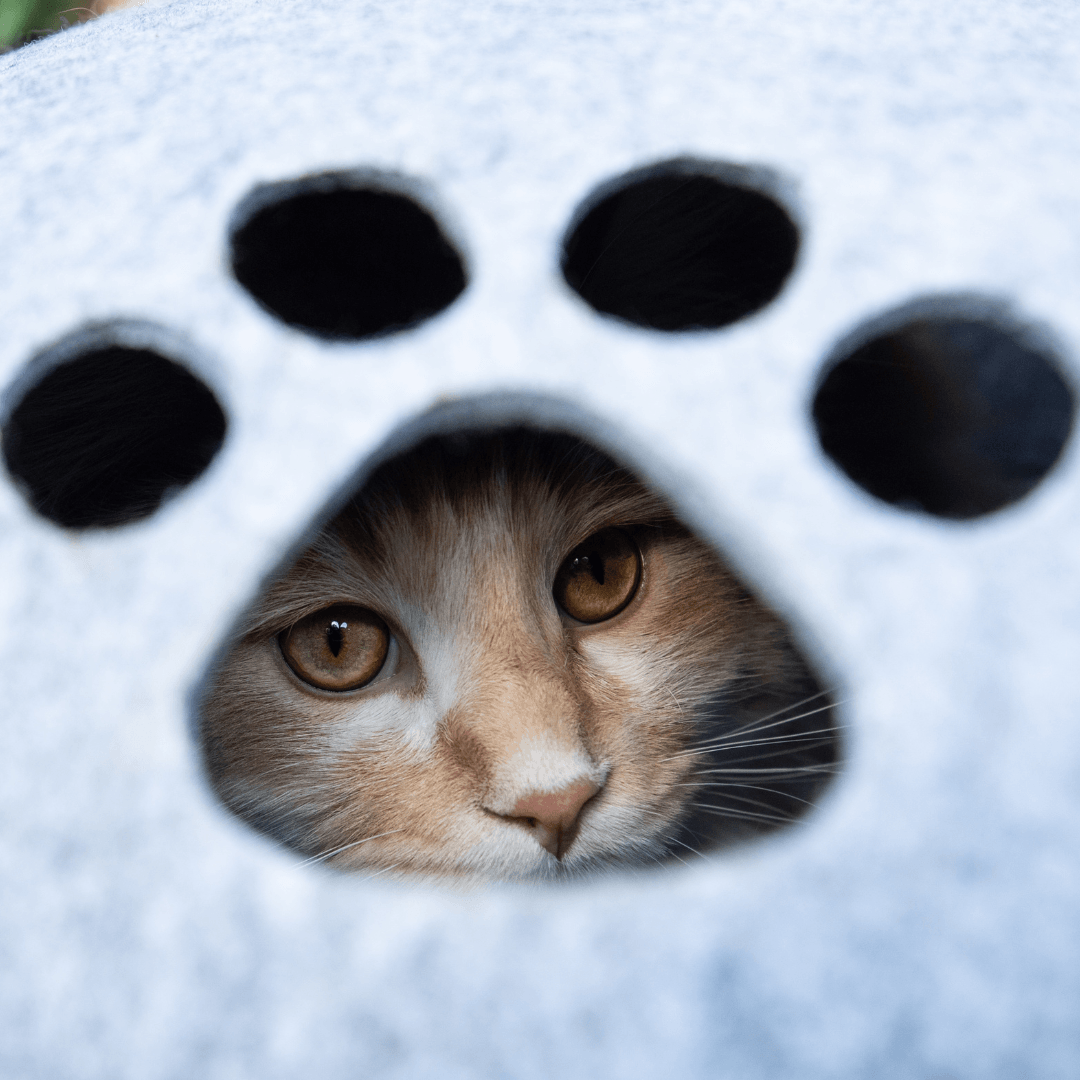
Hiding helps cats feel safe. Do you have enough cubbies, caves, and other hiding spots for your cat household?
It’s also important to plan ahead to initial housing for your new cat, which would typically be a dedicated space behind a closed door off limits to your resident cat. This transition room should be big enough to contain all environmental resources, separated into different areas. Not only will this make the introduction easier for your resident cat, but it will allow your new cat to adapt to the stress of a new environment and family members.
If you’re currently in a space-challenged home, ask yourself: do I have the living space and budget available to accommodate not just another adorable cat, but to meet their environmental needs?
If your cat is already showing behavioral challenges, My Family Cat can help before you add a second cat to the mix.
Have I budgeted for a new cat’s other needs?
According to the 2025 American Veterinary Medical Association’s Pet Ownership and Demographic Sourcebook, the average annual household spending on cats in 2025 was $1,501, with an average of 1.8 cats per household in their survey. This covers costs like veterinary care, food, medications, accessories (toys, bedding), and “miscellaneous” (not specified, but I assume this includes litter).
In my opinion, this number is low. If your cat is younger and healthy and is only seeing a vet once a year for an exam and/ or vaccines only, this may be sufficient. However, even young cats will need anesthetic dental cleanings to address periodontal disease, and preventative cleanings are recommended yearly, says veterinary dentist Dr. Leah Taylor.
Your cat may also require emergency surgery, or develop a chronic illness that requires disease monitoring, lifelong medications, or a specialist consultation. They may fall ill unexpectedly and need X-rays, an ultrasound, labwork, or hospitalization. I recommend that all cat parents look into pet insurance to help buffer the costs of routine and urgent veterinary care, but thinking ahead practically to the financial costs of adopting a cat will help you in your decision-making.
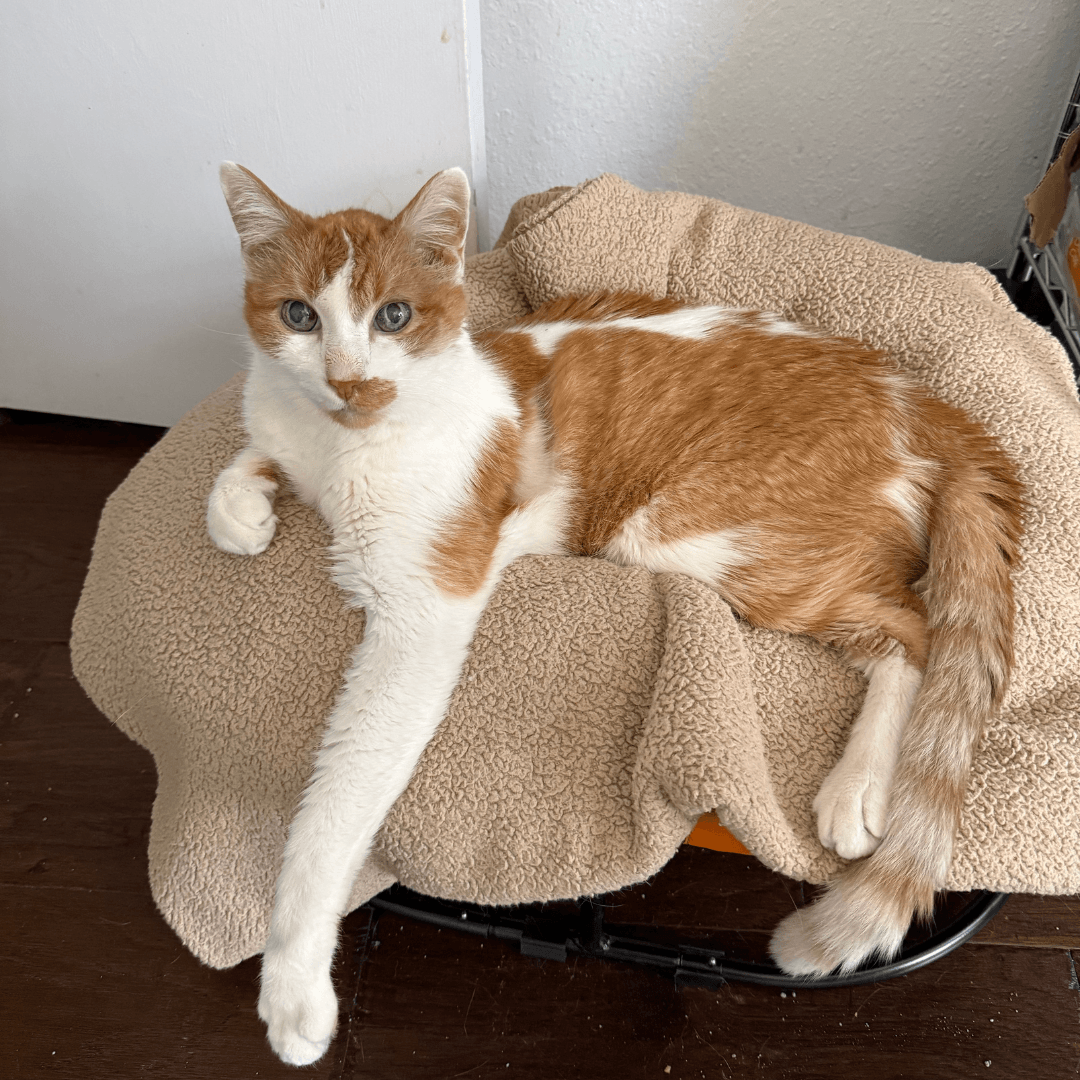
“I’m worth it though, right? Look how long my arm is.”
Do I have time and energy to slowly introduce my new cat to my resident cat over the course of weeks to months to even years?
In a 2005 study that surveyed nearly 400 feline caregivers who adopted a cat from a shelter, half reported fighting (defined as scratching and biting) when the new cat was introduced. Cases of fighting that continued for 2 to 12 months after adoption were associated with scratching or biting on the first meeting. Remember that tension between cats can be more subtle than overt aggression (e.g., staring or body blocking), so I suspect the incidents of tension were even higher. Roughly half of the households also introduced the cats to each other by putting them together right away, without a transition period.

Note the bottlebrush tail on the solid grey cat, which represents piloerection (fluffed hair). The grey cat is also showing flattened ears and slight piloerection on their back.
This study highlights the importance of helping your resident cat and new cat have a good experience during introduction. As the adage goes, “You never get a second chance to make a first impression”, and I’ve had countless clients whose cats had a bad fight upon the initial meeting that impacted their relationship for months or years. Letting cats “fight it out” is not recommended, and every time they have a fight it damages their relationship further.
Instead of throwing the cats together and hoping for the best, or rushing the introduction because it’s inconvenient, we want to be thoughtful and focus on slow, gradual introduction at each cat’s own comfort level. As a positive reinforcement-based cat behavior vet, I use the behavior modification technique of desensitization and counterconditioning, where baby steps of controlled exposure are combined with something the cats like (play, food) to help change the way they feel about each other.
This process takes time, and we need to let the cats set the pace. In many cases, introduction may take months or even years, which can be a big emotional and time burden on caregivers.
Do I have enough personal time to devote to each individual cat?
We always want to offer the opportunity for social interaction in the way our cat prefers, which may be lap time, play time without petting, or simply hanging out in the same space at a distance. This provides the chance for social enrichment, which is vital for feline wellbeing. Even if you have the budget, time, and living space large enough to accommodate another cat, the more cats in the home, the less personalized attention each cat may be able to receive.
I’ve experienced this myself as a pet parent, and at one point had three cats and a dog. I slowly lost them over the years, and at age 15, my cat Puff became the only pet in my home. For the past four years and counting, he's been living his best life where he now gets to have 100% of the attention, TLC, and resources. Since Puff is a super senior cat with numerous medical conditions, I never considered adopting another cat, but I was surprised at how much he began to thrive once becoming the sole pet. It’s also deepened our bond and changed my perspective on cat caregiving and the resource of one-on-one time.
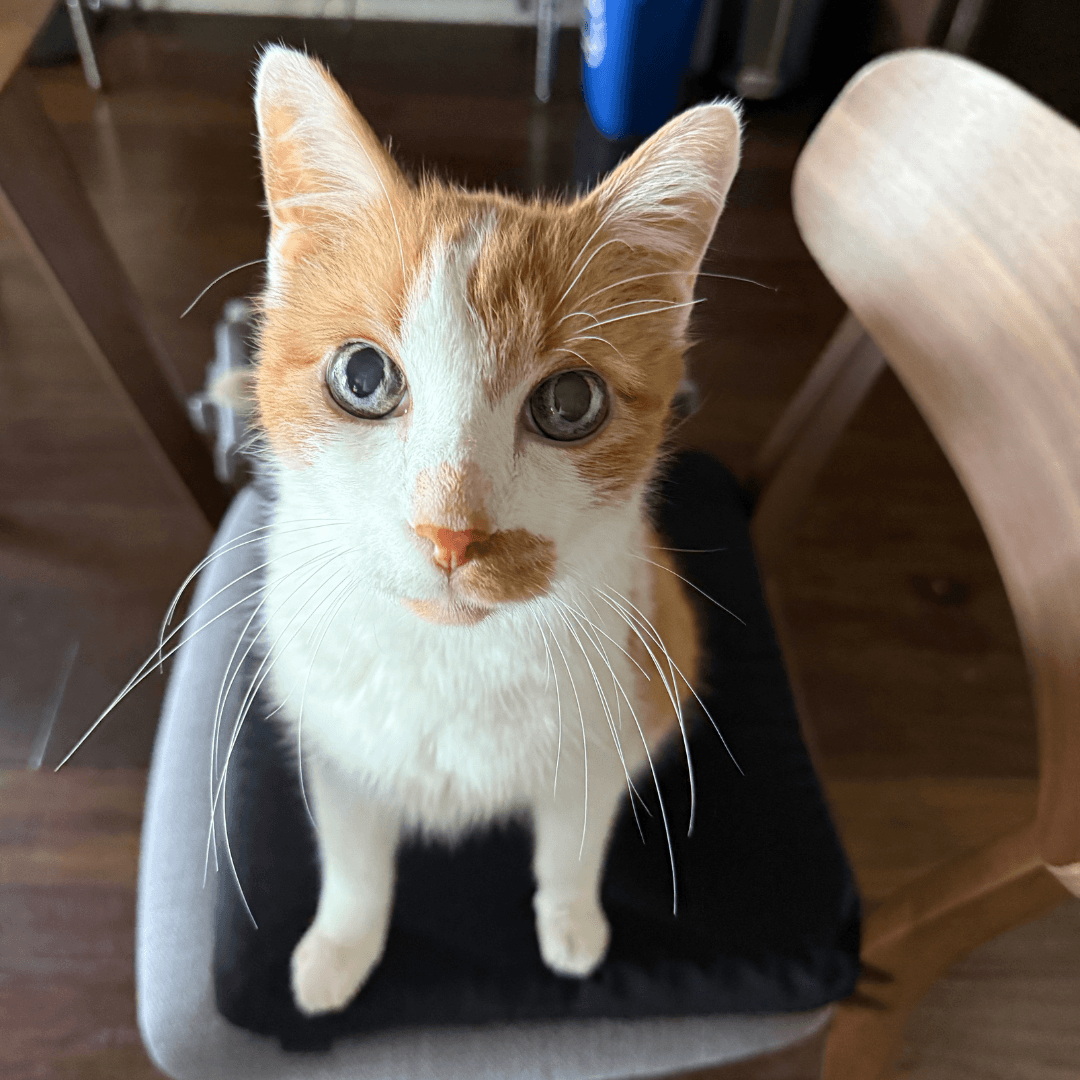
“I also want 110% of the treats.”
What is my expectation for their relationship?If introduction is not a success, am I able to accept that lifelong separation or rehoming is a possibility?
We’ve all seen those Instagram videos of bonded cat friends cuddling or playing together, grooming each other, rubbing their faces, or wrapping their tails around each other. And understandably, this is the dream when it comes to introducing a new cat.
Unfortunately, there are no guarantees on what type of relationship your resident cat will have with your newly adopted cat. The analogy I always use is that if you just had a random person move in with you and you were going to be roommates for life, how would that go? In some cases you might get along great and truly become friends. In others, you’d have a cordial relationship, respectful but not close. It may also be terrible and a complete mismatch, resulting in constant fighting or one person moving out.
One of the hardest truths about cat introductions is that despite doing everything slowly and setting the cats up for success, you may have cats with incompatible personalities. At this point cat parents are left with the difficult decision of strict, lifelong separation or rehoming one of the cats.
Lifelong separation never entered my mind when I adopted Dorie into a home of three cats. I was never able to integrate my cats with Dorie, and for 10 years I kept them strictly separated while they took turns having free time on a predictable schedule. As the years went on, my individual cats began having more tension and I had to separate them during the day too when I was at work. Was it frustrating, annoying, and stressful at times? Yes. Did I have to make 100% sure 100% of the time that the confined pets had their door closed to keep all the pets safe? Yes. All the pets received enrichment and TLC in their space, and over time all they learned their routine. It wasn’t ideal, but it was better than the effects of chronic tension on their emotional and physical welfare when they weren’t separated.
Before bringing a new cat into the home, it’s essential to prepare for what you will do if the introduction isn’t successful.

The dream!

The reality in many pet homes, including at Castle Liu.
If you’re planning to add a second cat—or already seeing tension—getting guidance early can make a big difference.
I provide mobile veterinary behavior consultations across the greater Austin area, helping cat families with:
introducing a new cat
intercat tension
litterbox and stress-related issues
My approach combines medical evaluation with practical, individualized guidance for your home.
→ Learn how consults work and see pricing
Not in the Austin area? You can start by working with your veterinarian, a veterinary behaviorist, or a cat behavior consultant certified by the IAABC. The ISFM also has an excellent resource on introducing cats.
And for more tips on supporting the emotional wellbeing of your cat, follow My Family Cat on Instagram and Facebook!