
Tooth Talk: Why Pet Parents Should Think Twice About Anesthesia-Free Dental Cleanings for Their Pet
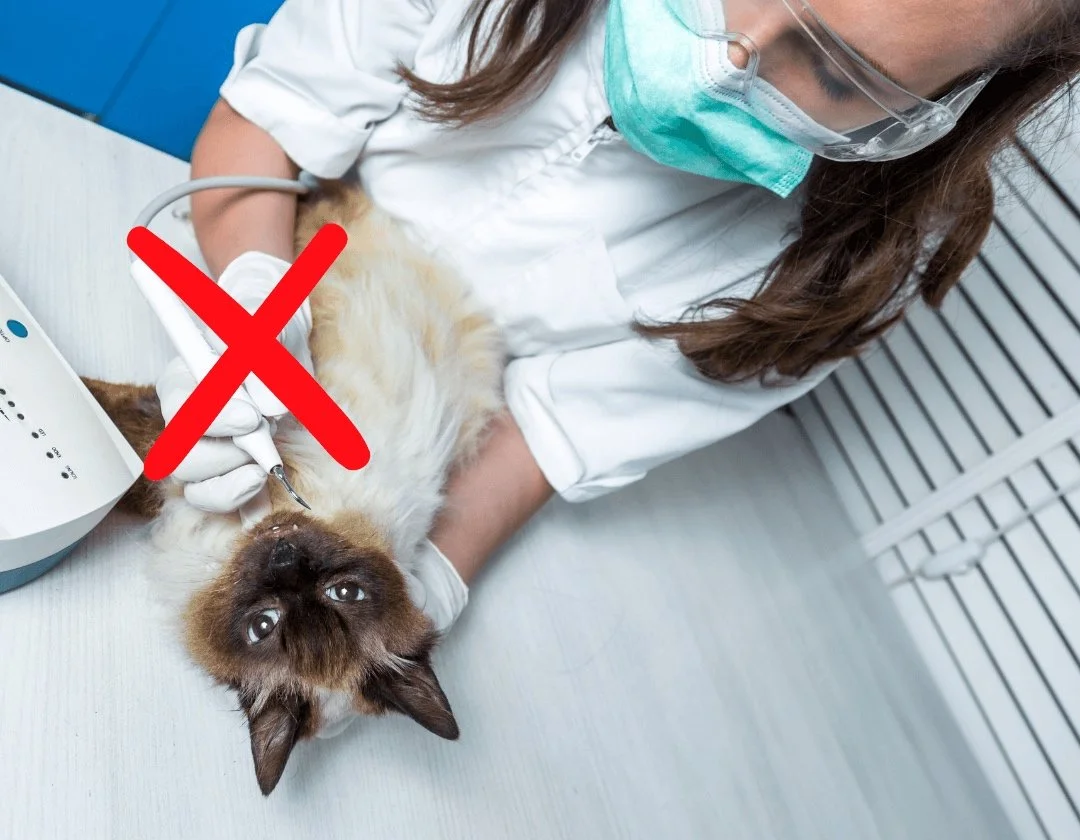
Before I started my housecall cat behavior practice, I worked at a brick-and-mortar clinic where non-anesthetic dental cleanings (NADs) were offered. Unlike feline and canine dental surgeries performed by your vet under general anesthesia, a NAD is a dental cleaning that occurs while your cat or dog is awake. NADs are typically performed by non-veterinarians, although in some states they must be performed under supervision of a vet. NADs are considered below the standard of care for dental health assessment and treatment in pets and I always recommend against them, for reasons we’ll discuss.
At this particular practice, the NADs were performed by a dental “tech” who wasn’t a veterinary technician as far as I could tell. The one time I briefly peeked through the window to watch part of a NAD, I saw that he had pinned the dog between his legs to immobilize her, shoved a wad of paper towel in the corner of her mouth to hold it open, and was working away with the dental scaler while the dog looked frozen and terrified. It was an indelible image and something I would never wish on any pet or pet parent. Many of us working at the practice had concerns about these anesthesia-free cleanings, and thankfully eventually they stopped being offered.
I’ve been reflecting upon this topic because February is National Pet Dental Health Month, and over the years I’ve been seeing a disturbing trend: the increasing emergence of facilities such as pet stores or grooming facilities (and yes, even vet clinics) offering anesthesia-free dental cleanings for pets. I’ve also had clients decline recommended dental surgeries in favor of an anesthesia-free cleaning elsewhere. While My Family Cat is a veterinary practice centered on feline behavior, the physical health and emotional health of pets are inextricably intertwined, so I wanted to spend some time on this important issue.
Jump to:
Medical concerns with NADs
Ethical concerns with NADs
Safety concerns with NADs
Additional resources on anesthesia-free dental cleanings for pets
What’s the big deal about anesthesia-free dental cleanings? I get my teeth cleaned when I’m awake, and the pictures I found on this NAD website looked great. It’s also cheaper, and I’m worried about anesthesia for my cat.
There are several reasons why NADs are not the best choice for dogs and cats.
Medical reasons to avoid anesthesia-free cleanings for your pet:
They’re painful and uncomfortable. If you’ve ever had gingivitis or a sensitive tooth, you know it’s not fun to have your teeth cleaned. At best it’s uncomfortable, at worst it hurts. Why do this to your pet when you could provide them with a comfortable, pain-free cleaning under anesthesia? If pain medications are indicated during a dental procedure, only the vet team (under guidance of a veterinarian) is able to administer them. Pain also increases fear/anxiety/stress, and as pet parents we must advocate not only for the physical health of our pets, but for their emotional health.
NADs don’t allow for a complete oral exam by a veterinarian. When I’m sitting in my dentist’s chair, I open my mouth and turn my head towards the light so the dentist and hygienist can probe and look for ulcers, masses, and yes, even tartar. If you’ve ever tried to look in the back of your pet’s mouth at home, you know you’re not getting the complete picture. Adult dogs normally have 42 teeth, and adult cats have 30 teeth. I guarantee this is not the number of teeth you are seeing on your awake pet. (Safety note: don’t attempt to do an oral exam on your pet if they’re showing any signs of stress!). When a pet patient is under anesthesia, the veterinary dental team can also find loose teeth, broken teeth, and other oral pathology that could be painful or serious for your pet. Vets also go to school for 4 years to learn about animal anatomy and pathology, and have a much greater breadth of knowledge about canine and feline health than the person who’s performing the NAD. Veterinary dentists (veterinarians who have become board-certified specialists) undergo even more extensive training.
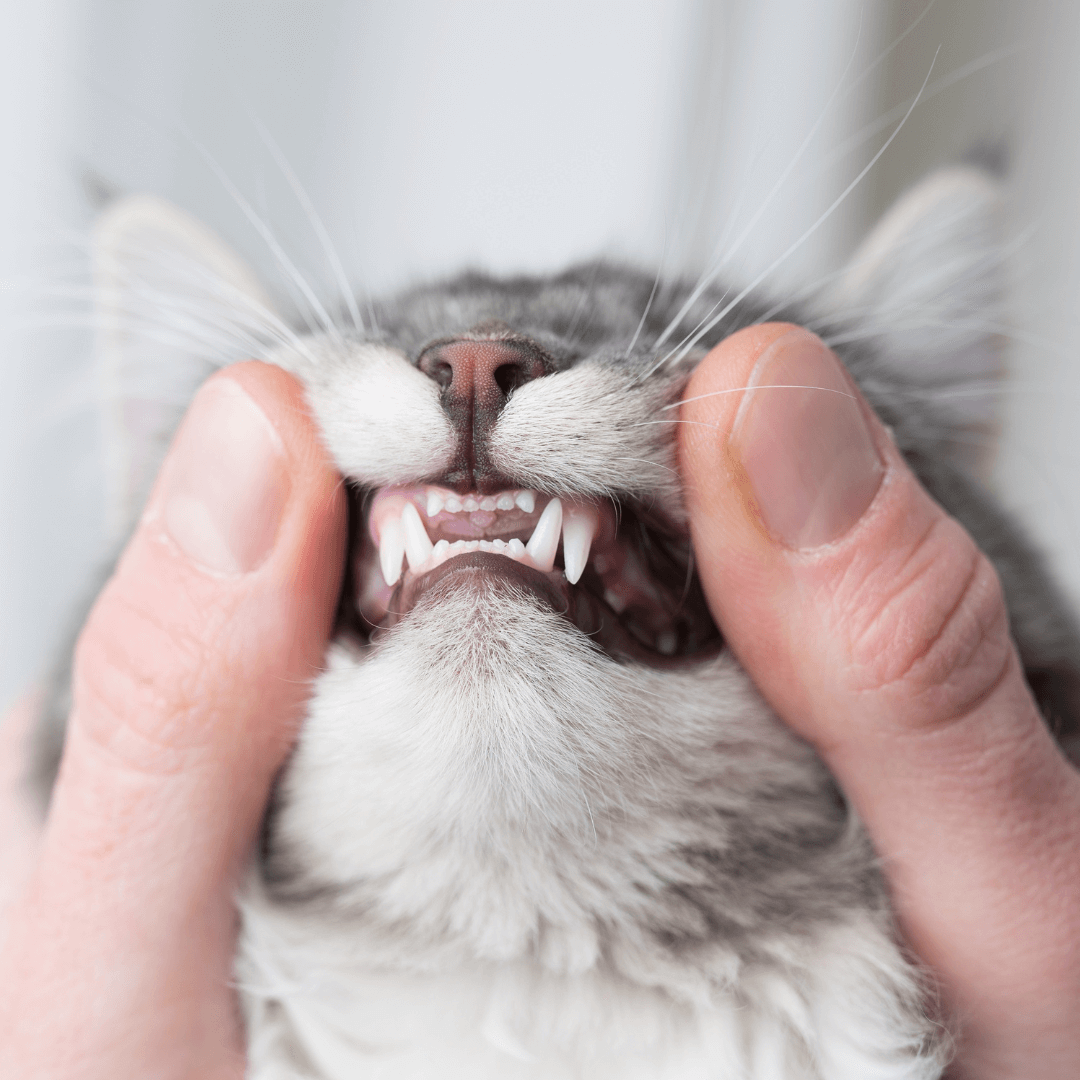
I have 30 teeth. Good luck evaluating all of them when I’m awake.
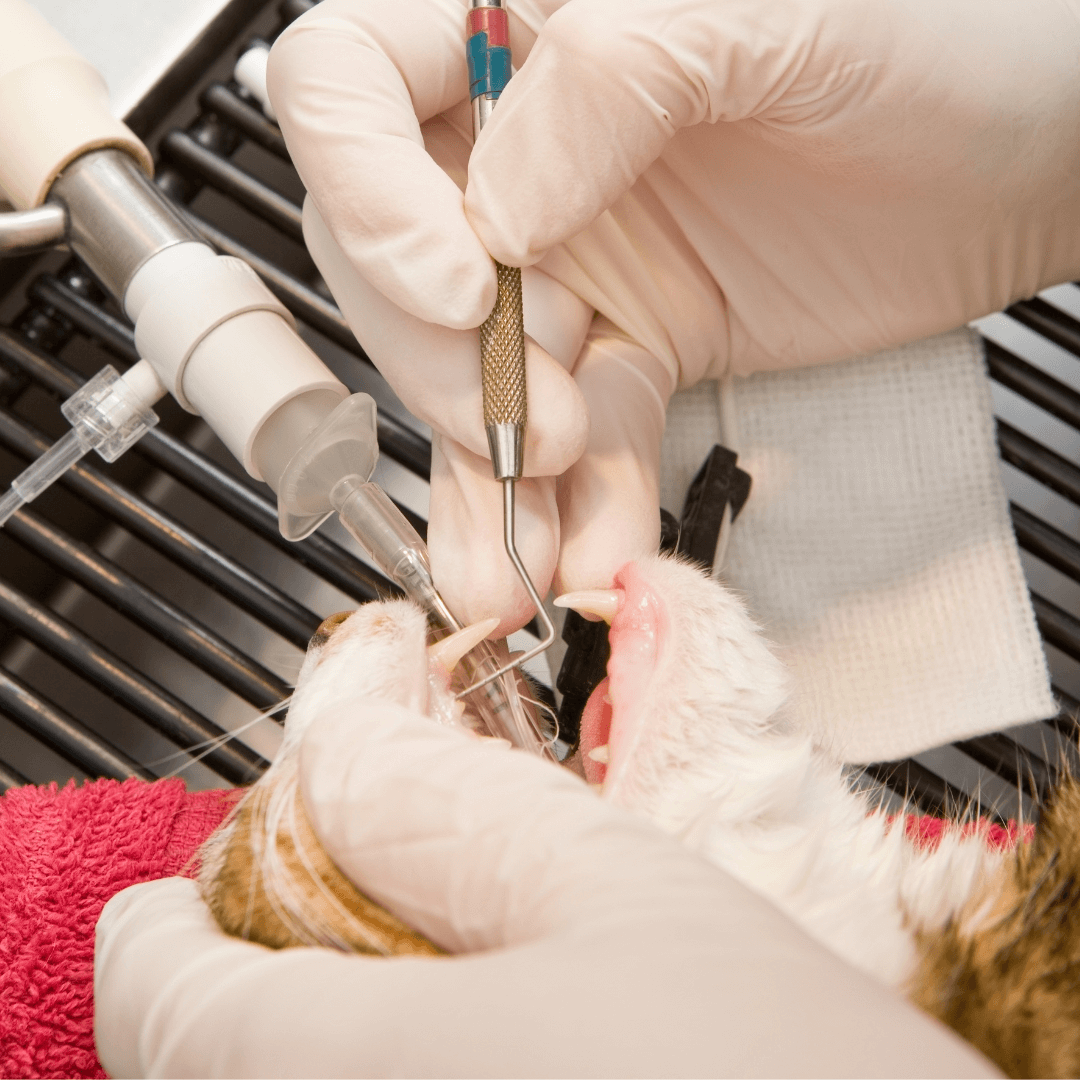
Under general anesthesia? That’s a different story!
Inability to perform dental X-rays on awake pets. What you’re seeing above the gumline in your pet is just the tip of the dental iceberg. There’s a whole other portion below the gingiva that veterinarians evaluate with dental X-rays, finding conditions such as tooth root abscesses, unerupted teeth (teeth that never emerged above the gumline), teeth fractured below the gumline, retained root tips inadvertently left behind from previous dental extractions, and bony changes to the jaw such as with cancer. Dental X-rays are especially important in felines because they’re more prone to a painful condition called tooth resorption lesions, where part of the tooth gets eaten away. We typically diagnose these with probing and dental X-rays, and X-rays also help us stage the lesions and guide the treatment. A 1998 study on the diagnostic value of full-mouth dental X-rays in dogs found that on teeth without clinical lesions, only 30% of dental X-rays findings had no clinical value. In teeth with clinical lesions, this decreased to 3.1%. That means about 97% of the time in those teeth, they found something on X-rays significant enough to have an impact clinically!
Dental X-rays require anesthesia because unlike us, we can’t expect a cat to patiently hold the dental films in their cheek while we position the X-ray beams. Full mouth dental X-rays are also considered standard of care for dental procedures because of how much pathology can be uncovered, as are post-dental extraction images to ensure the tooth was removed fully.
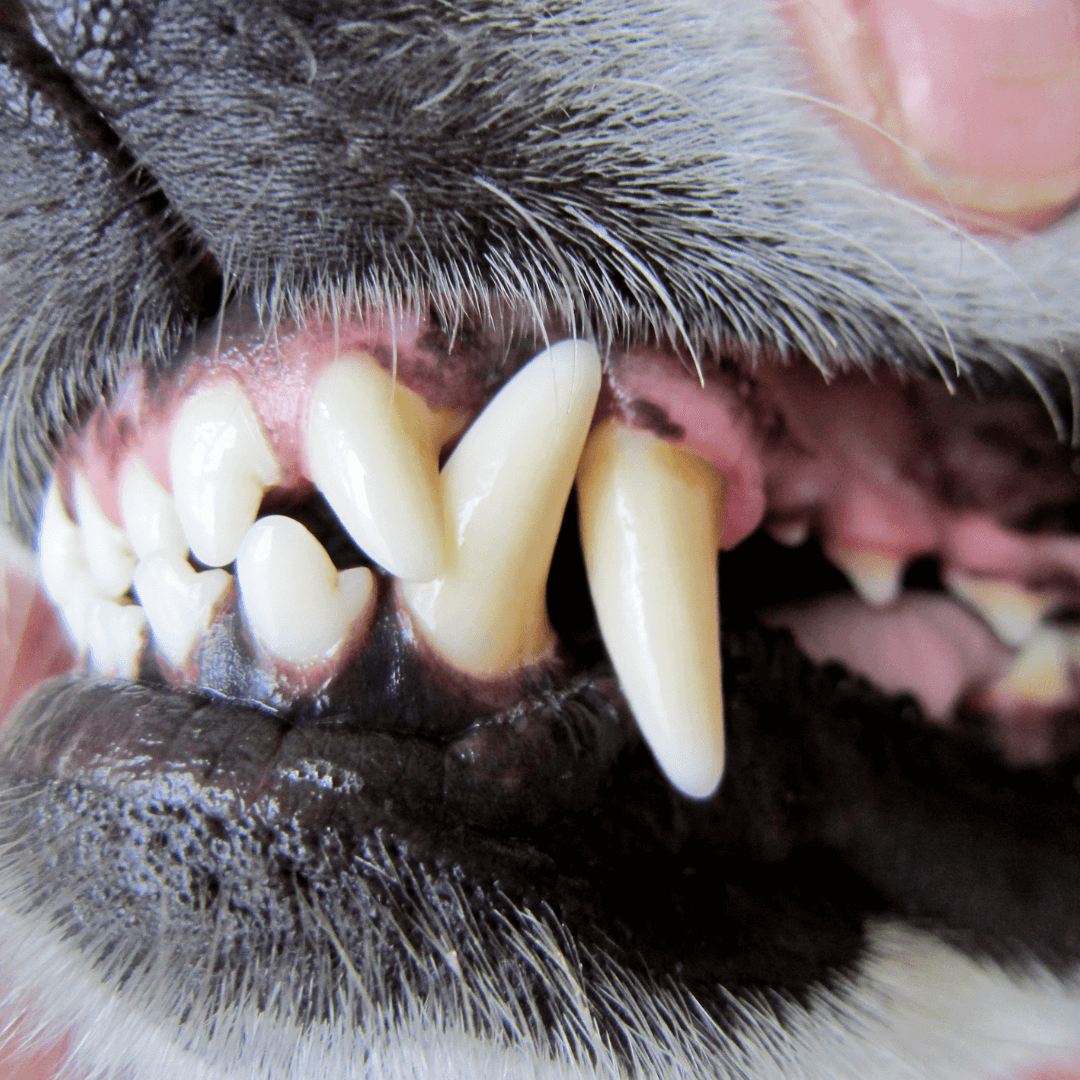
Sure, these teeth don’t look too bad. But without probing and dental X-rays under anesthesia, who’s to know what’s lurking below the gumline?
Inability to scale below the gumline in awake pets. The yellow and brown, hardened material on your pet’s teeth is called tartar or calculus, which forms when bacteria mixes with saliva. Tartar is extremely satisfying to scale off on pets under anesthesia (honestly in some dogs, it’s so thick it looks like a retainer), and is probably getting removed during a NAD.
However what is not being done with a NAD is subgingival scaling, where the vet tech or vet slides the scaler in the pocket between the tooth and the gum to remove bacteria harbored in the pockets. You might think your dog’s teeth look great after a NAD, but they’re getting a cosmetic treatment. When your dog or cat’s teeth are scaled above and below the gumline under anesthesia, they are going home with a healthy mouth, which provides preventative care and treatment. It also sets them up for home care like brushing, which can help extend the time between cleanings.
Without subgingival scaling, periodontal disease in dogs and periodontal disease in cats progresses. Bacteria damages the tissues surrounding the teeth and begins to affect the bone holding the teeth in place, leading to bone loss, pain, loose teeth, difficulty eating/ carrying toys, and even jaw fractures in some extreme cases. If your pet has been getting NADs for years and then finally gets an anesthetic cleaning, the amount of treatments they will need (and also the time under anesthesia) will likely be much more extensive and expensive. I’ve had to perform full mouth extractions (extracting all remaining teeth) on pets with severe periodontal disease.
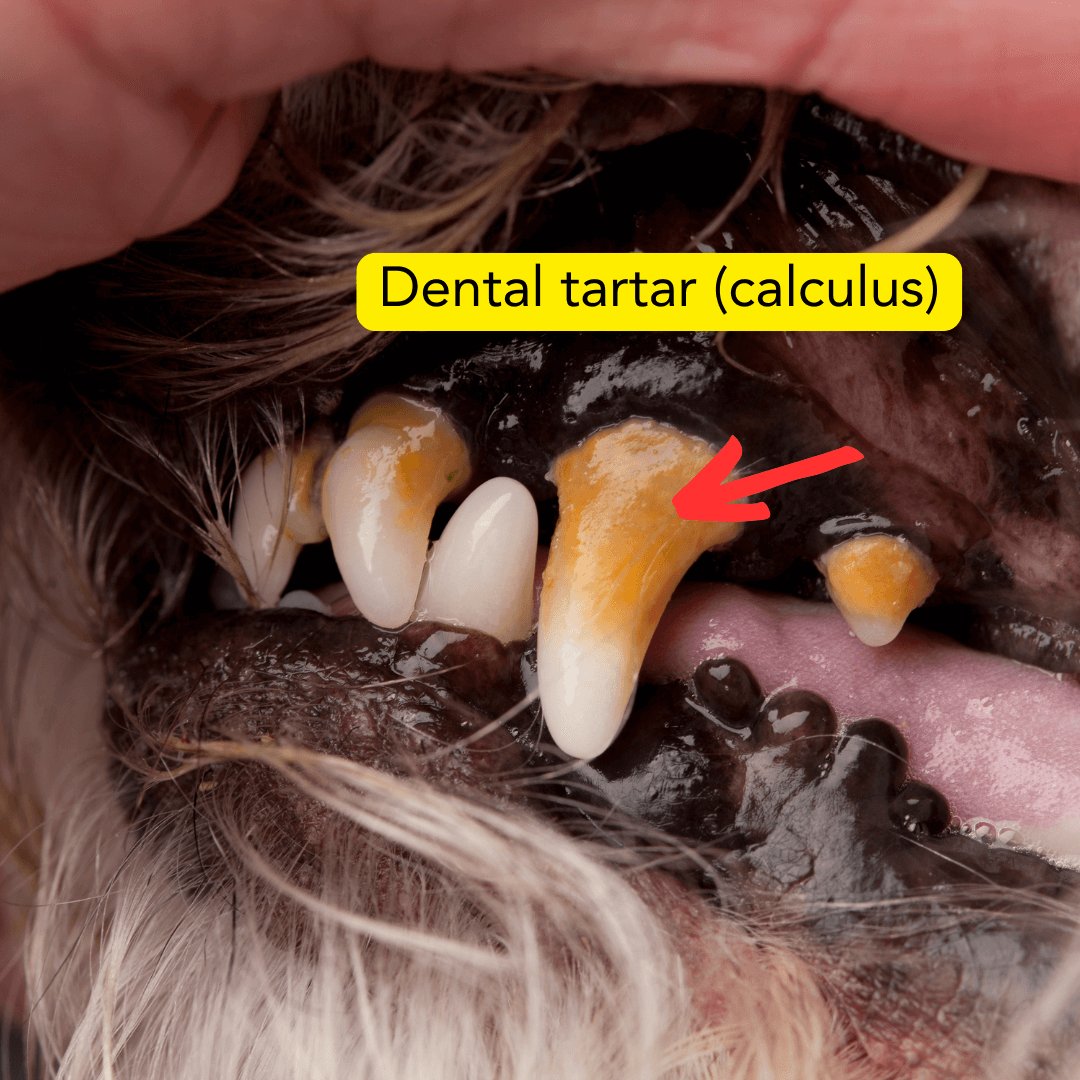
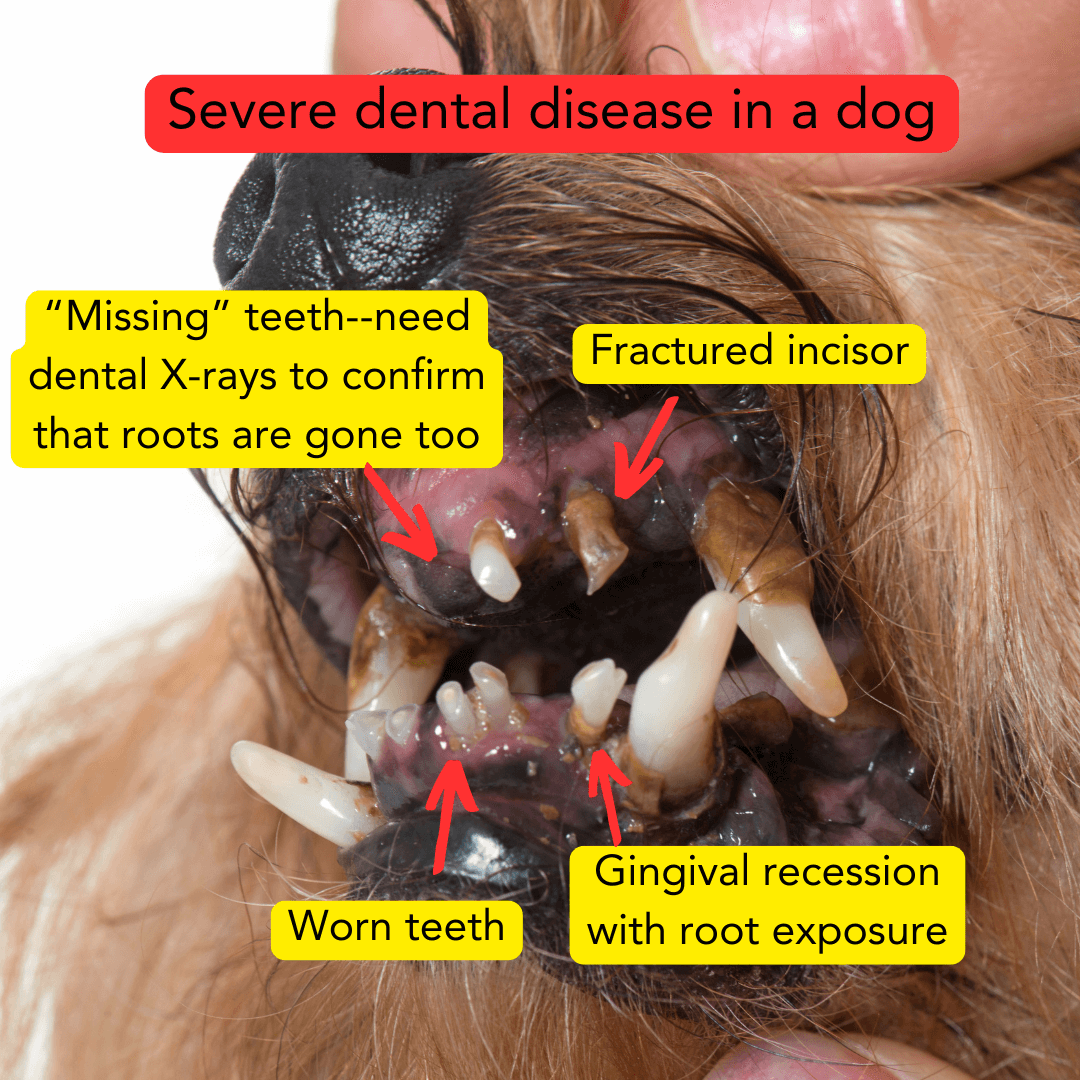
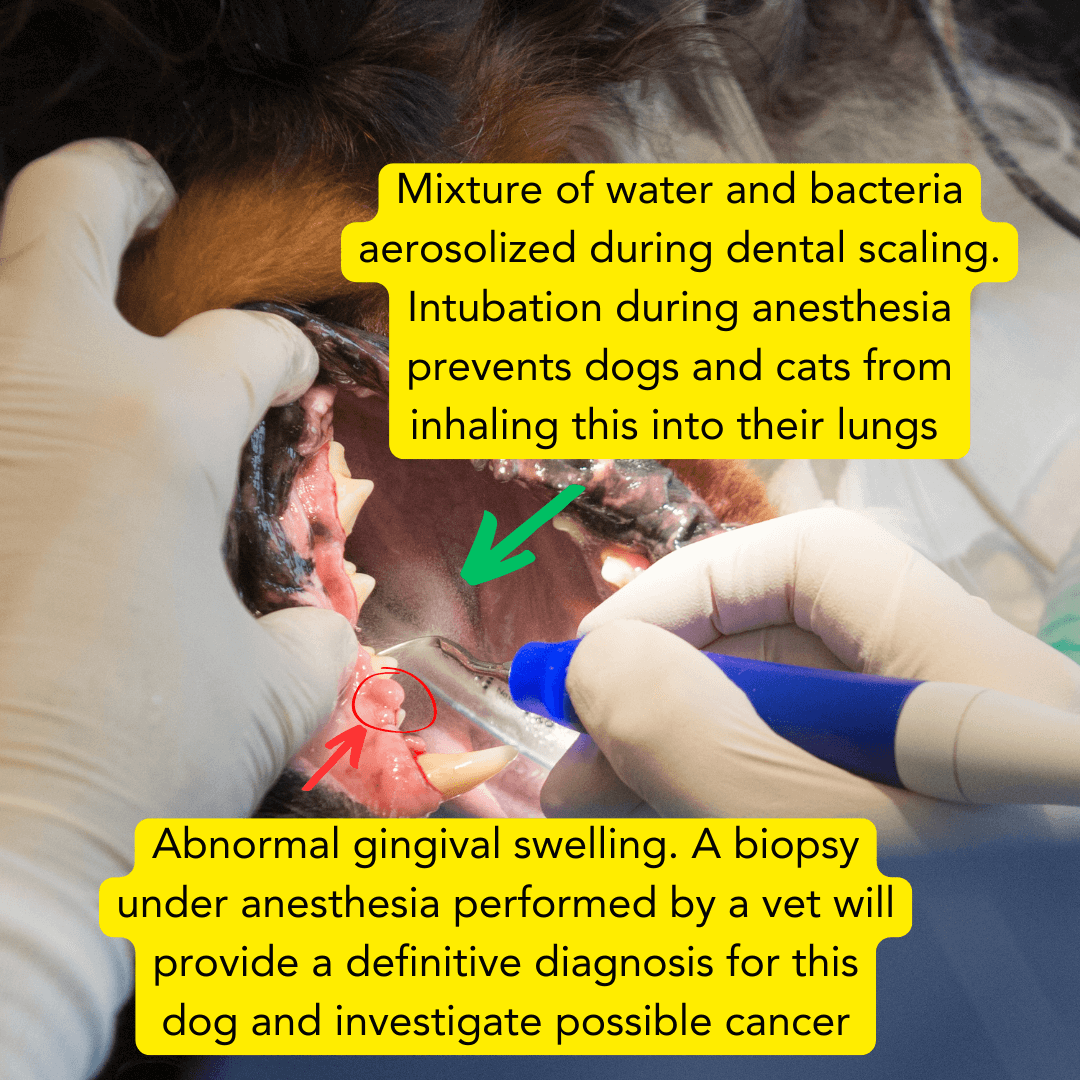
Inability to treat disease when found. Once your vet finds something concerning, don’t you want them to be able to get further diagnostics and treat it? Whether it’s biopsy samples or extracting a fractured or diseased tooth, these are only able to be performed under anesthesia. Pets with broken teeth and cats with tooth resorption lesions are also living with chronic pain, which affects quality of life. These are not treatable with a NAD.
And just because you have a young pet doesn’t mean they have a healthy mouth. I’ve recommended dental cleanings on 10 to 12 month old pets and extracted teeth on 1 and 2 year old dogs. I also recently had a 5 year old feline behavioral patient who had mild to moderate gingivitis (gum inflammation), and acute onset of aggression towards the owner. With any sudden behavior change we always want to rule out a medical cause first. My patient was assessed by her primary vet and ended up having dental surgery where the vet probed and found a 7 mm pocket associated with her upper left canine, and she had the tooth surgically extracted. The normal pocketing (the millimeters of depth found by probing between the tooth and the gun tissue) around a cat’s tooth should be less than 1 mm. My patient is now doing great. Again, I can’t emphasize enough how much gets missed without the benefit of anesthesia.
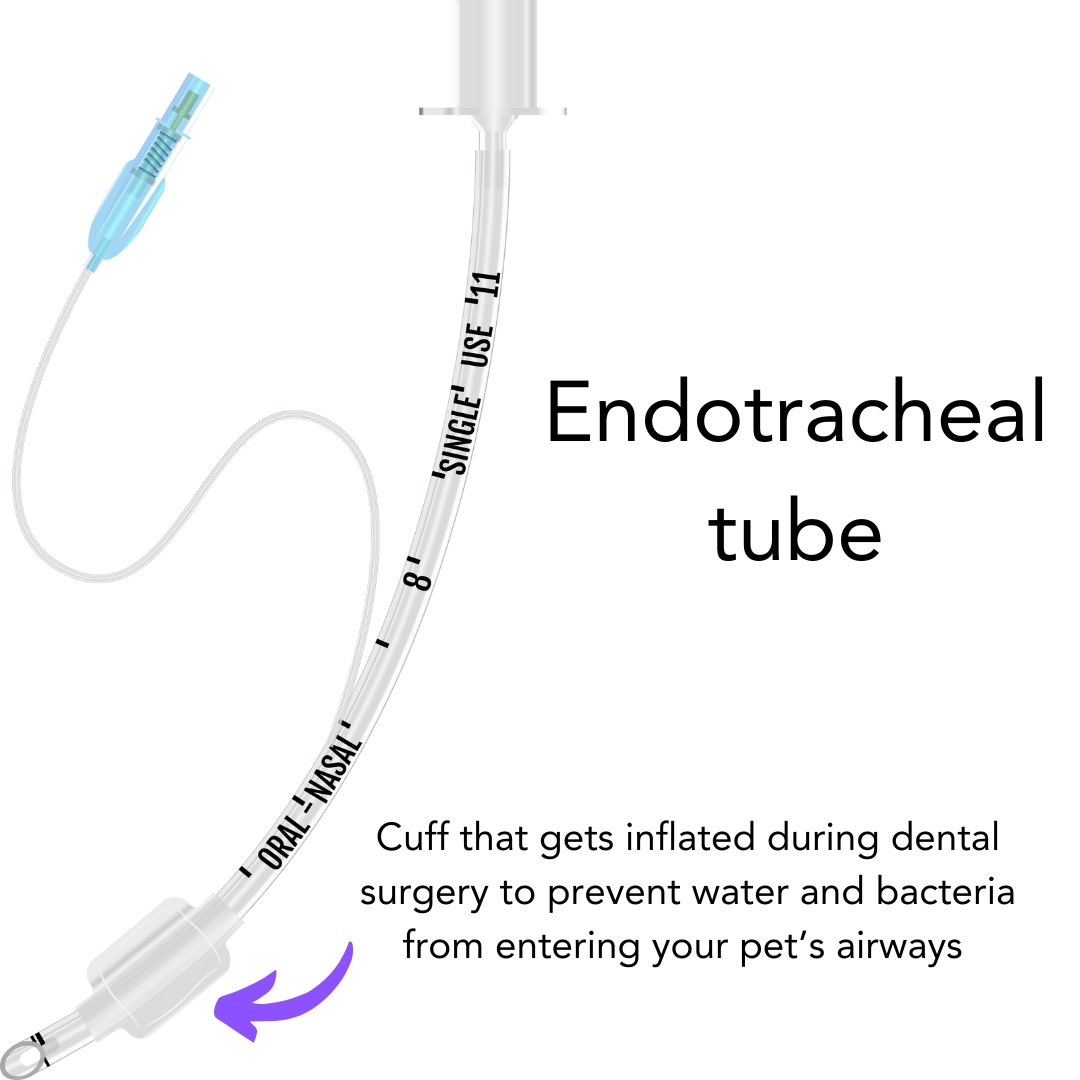
It leaves your pet’s airways open to water and bacteria. During an anesthetic dental procedure, a flexible device called an endotracheal tube is placed into your pet’s trachea (windpipe) to deliver anesthetic gases and oxygen. It also ensures that your pet’s airway is protected from the water and bacteria that become aerosolized when your pet’s teeth are scaled. During a NAD, your pet’s lower airways are not protected, which could potentially lead to complications such as bacterial pneumonia.
Anesthetic complications are uncommon. I understand that anesthesia is scary for a lot of pet parents, but I’m writing this blog in 2025, when we’ve made significant advances in the safety and protocols surrounding general anesthesia for pets. In a 2012 study on general anesthesia in pets that looked at roughly 3500 pets who underwent anesthetic procedures (not limited to dentistry), the overall rate of anesthetic death was 1.35%. Pets with higher pet ASA scores (the score assigned to pets preop that evaluates their level of perceived anesthetic risk) had a higher rate of anesthetic deaths.
In order to mitigate the risk of an anesthetic procedure, clinics routinely take multiple steps on behalf of the safety of their dental surgery patients:
Running preoperative labwork for pets (not just senior pets) to evaluate for any underlying health issues such as anemia or elevated kidney/ liver values. If budget allows, I always recommend comprehensive senior labwork preoperatively on any dog or cat 7 yrs or older.
Placing an IV catheter to administer fluids to maintain blood pressure intraoperatively and deliver drugs if needed, including in cases of emergency.
Monitoring blood pressure, oxygenation rate, heart rate, temperature, and other parameters for your pet. If these parameters change intraoperatively, they can make adjustments.
Additional steps that pet parents can take:
Requesting calming medications that can be administered to your pet the night before or the morning of surgery. The lower your pet’s fear/anxiety/stress levels at the hospital, the lower the dose of sedation drugs that will be needed before your pet undergoes general anesthesia.
Talking to your vet about all of your other concerns! It’s important for you to have all of your questions answered, and that you feel supported when making the decision to pursue dental surgery for your pet. This brief discussion will also allow you to ask other questions such as how your pet will be monitored during the procedure, whether your pet can have labwork, etc.
Asking for a cardiac referral before scheduling the surgery. Before I performed a dental cleaning on my senior cats, I took them to a cardiologist in Austin for a workup, which was an overall evaluation of their cardiac health as well as an assessment of their level of risk for anesthesia.
Asking for referral to a veterinary dental specialist to perform your pet’s surgery. Veterinary dentists are veterinarians who have gone through extensive training and education specializing in treating conditions of the oral cavity. They’re highly skilled, knowledgeable, and typically much faster at performing extractions and other procedures, which means a shorter anesthetic time for your pet.
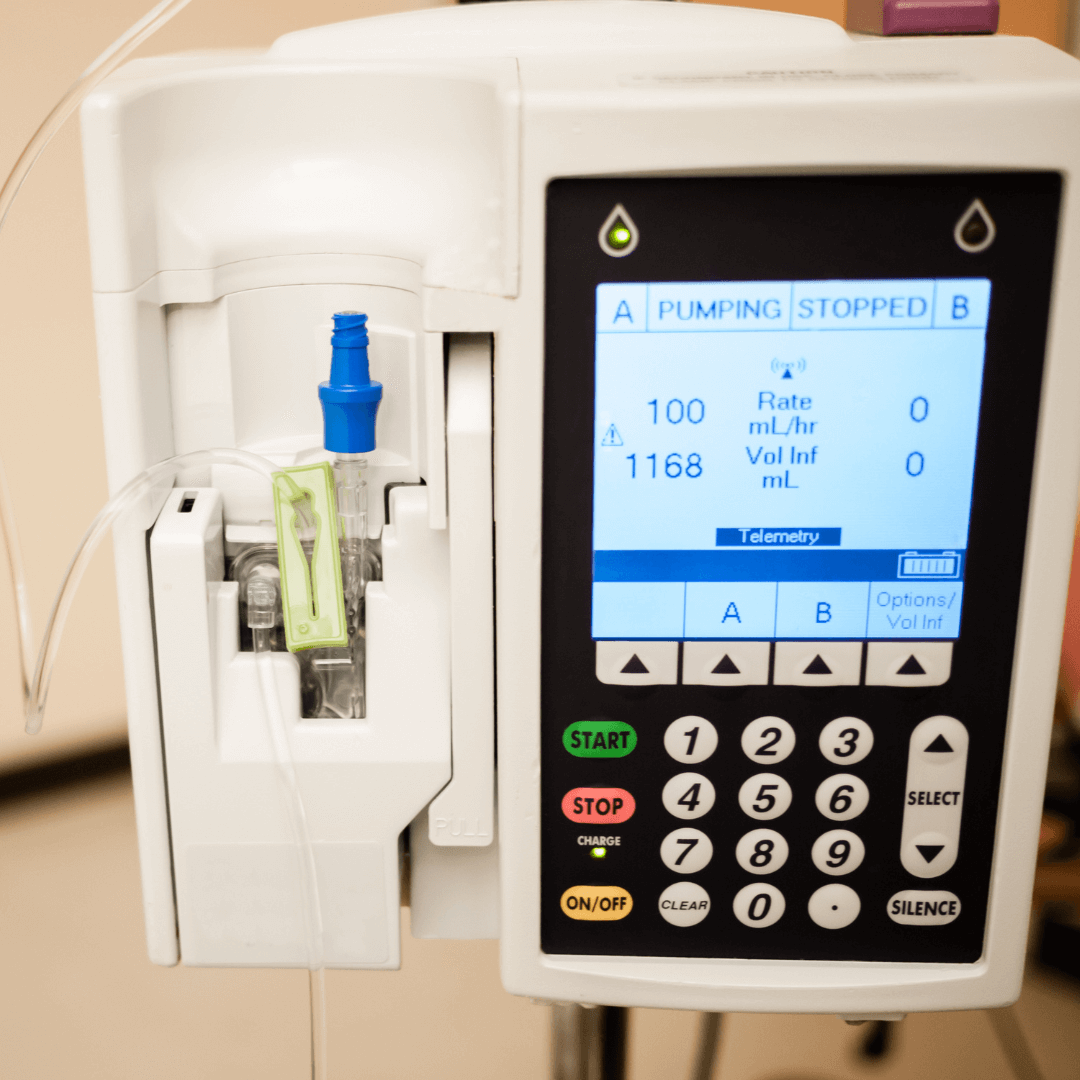
IV fluid pumps help maintain blood pressure and deliver hydration and electrolytes to your pet at a controlled rate during dental surgery
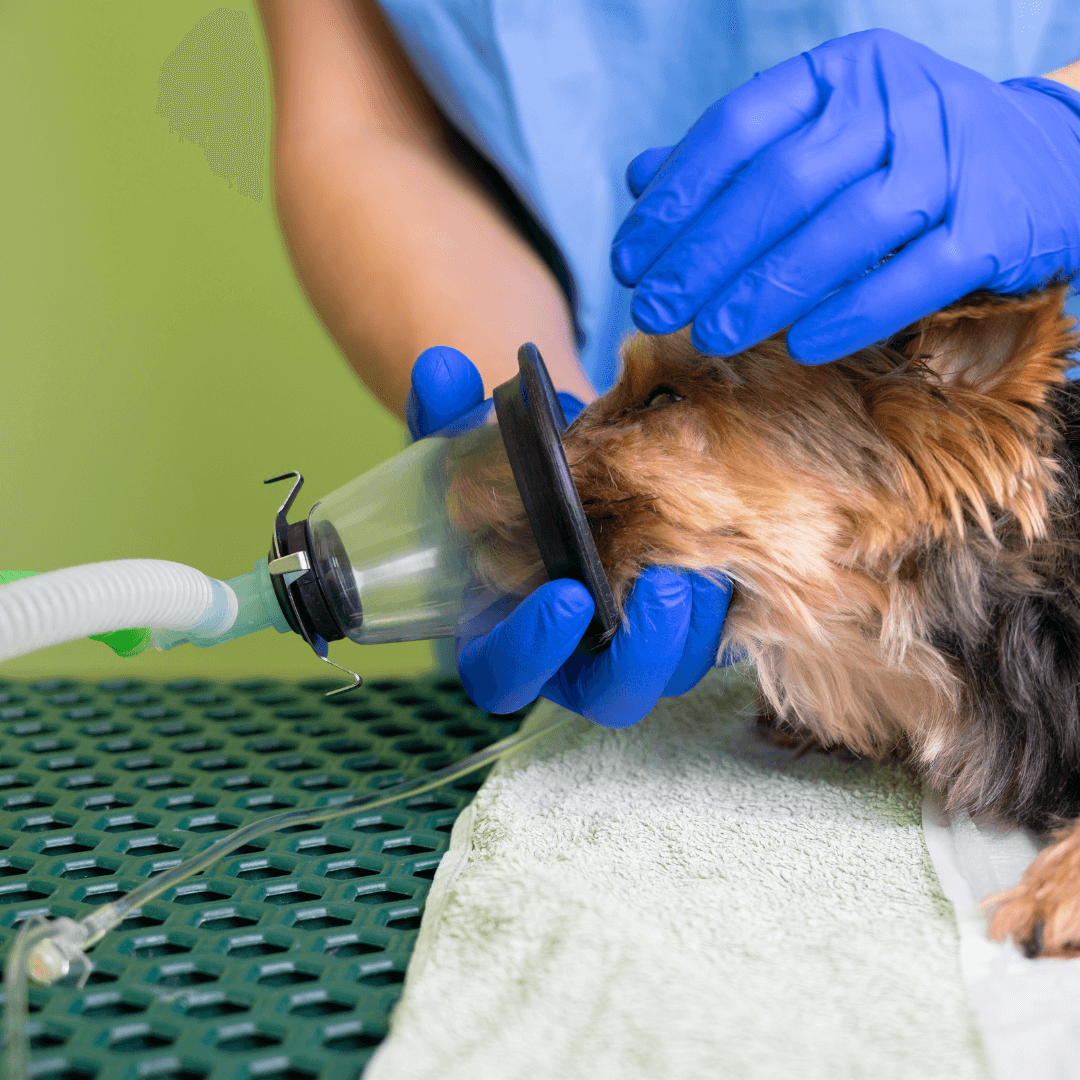
Dog receiving pre-oxygenation via mask before induction and intubation, which helps prevent hypoxia that can occur (when patients don’t get enough oxygen)
Ethical reasons to avoid anesthesia-free cleanings for your pet:
Prevention of pain, fear, anxiety, and stress. When I go to my dentist, I’m doing it voluntarily. I know the reasons behind the discomfort and other things I don’t like, and with my genetics, it’s frightening to think how many teeth I would be missing if I weren’t so proactive with my dental health. Dogs and cats have no idea why they’re getting their teeth cleaned, and to subject them to a frightening procedure that gives the pet parent a false sense of security while missing so much potential pathology is unethical. It’s also our duty as pet parents to prevent and treat for pain/ discomfort wherever possible, and that includes what we choose on behalf of our pet’s oral health. Finally, dogs and cats have much better senses of smell and hearing than dogs. If I find the screech of the scaler to be stressful as a human, I can only imagine how scary the cleaning would be for my cat. We must prevent fear/anxiety/stress in pets where we can to protect their emotional welfare.
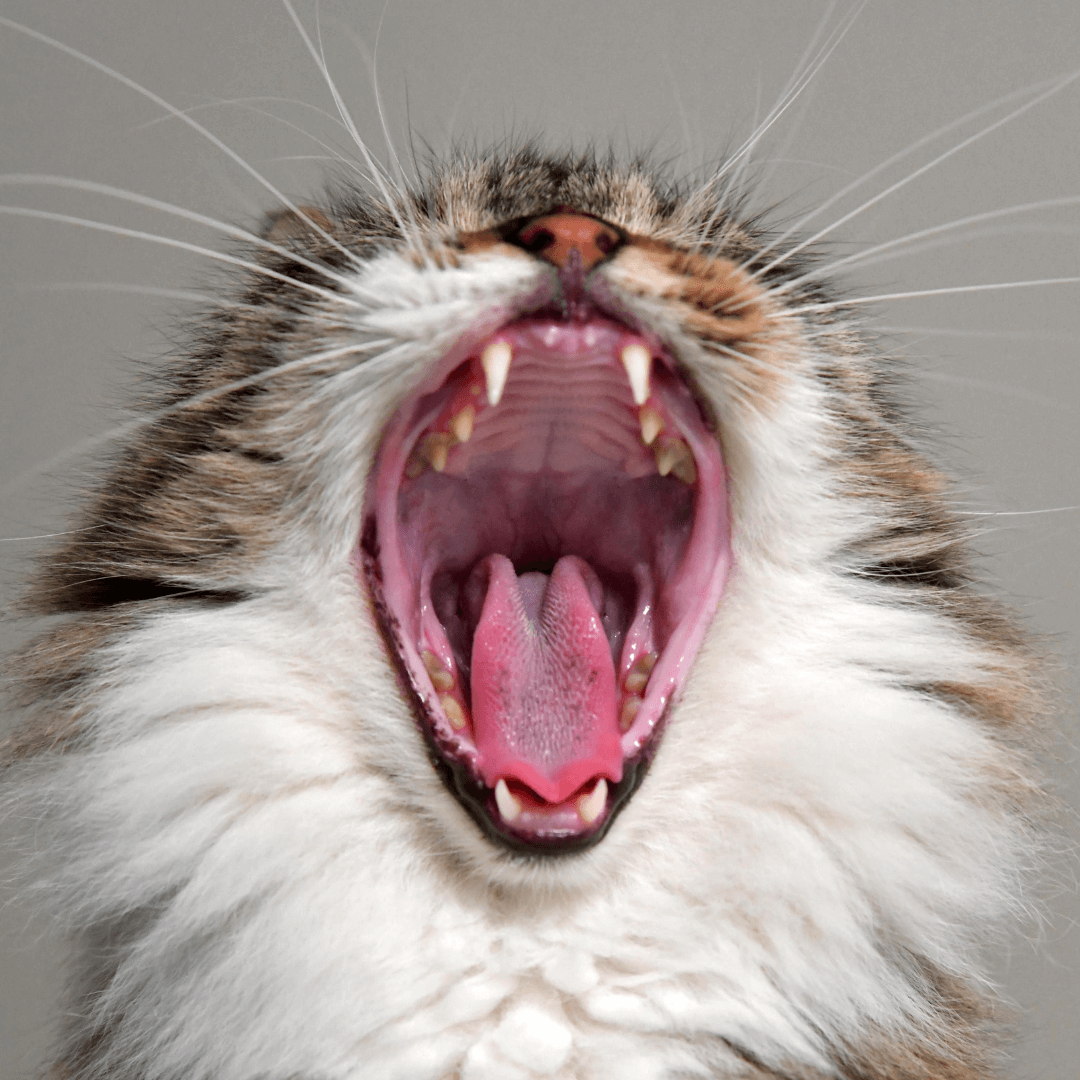
Cat with moderate to severe gingivitis, moderate tartar, and missing upper incisors. Dental X-rays and probing would likely find more problems.
If your mouth looked like this cat’s mouth, how comfortable would you feel having your teeth scaled?
Your pet will be firmly restrained while their teeth are cleaned. As I shared in my previous story, the person performing the NAD will be firmly restraining your pet so they don’t move while their teeth are getting scaled. If you’re on the fence about having a NAD performed, I would recommend you request to observe one and determine if you are comfortable.
Many pets are already terrified of the vet. If the NAD is performed at a vet clinic, their fear/anxiety/stress levels for future vet visits will not be helped.
Safety reasons to avoid anesthesia-free cleanings for your pet:
Risk of injury to your pet or people. Ultrasonic scaler tips vibrate at a rate of thousands of times per second. One slip during an NAD could cause serious injury to the soft tissues of your pet’s mouth, as well as injury to the person doing the scaling.
Risk of fear-based aggression. If I didn’t know why I needed dental cleanings and someone pinned me to my dentist’s chair and forced me to have a cleaning, I would probably bite them. Fear-based aggression towards the person doing the cleaning is much more likely to happen when the pet is awake, and is something I’ve experienced from multiple patients when I attempt an awake oral exam.
All pets will need dental care at some point, whether it’s at 10 months or 10 years. When it comes to doing what’s best for your pet’s oral and emotional health, dental cleanings under anesthesia are the gold standard.
Thanks so much to my friend and veterinary dentist Dr. Leah Taylor for being a subject matter expert for this piece!
For more information about anesthetic and non-anesthetic dental cleanings for your pet, check out the resources below, or talk to your vet!
AVMA: what to expect with anesthetic dental cleanings for your pet
American Veterinary Dental College (AVDC): anesthesia-free dental cleanings
American Veterinary Medical Association (AVMA): non-anesthetic dental cleanings
And for more help with the emotional health of your cat, check out our services and book a cat behavior housecall with us in the Austin area!
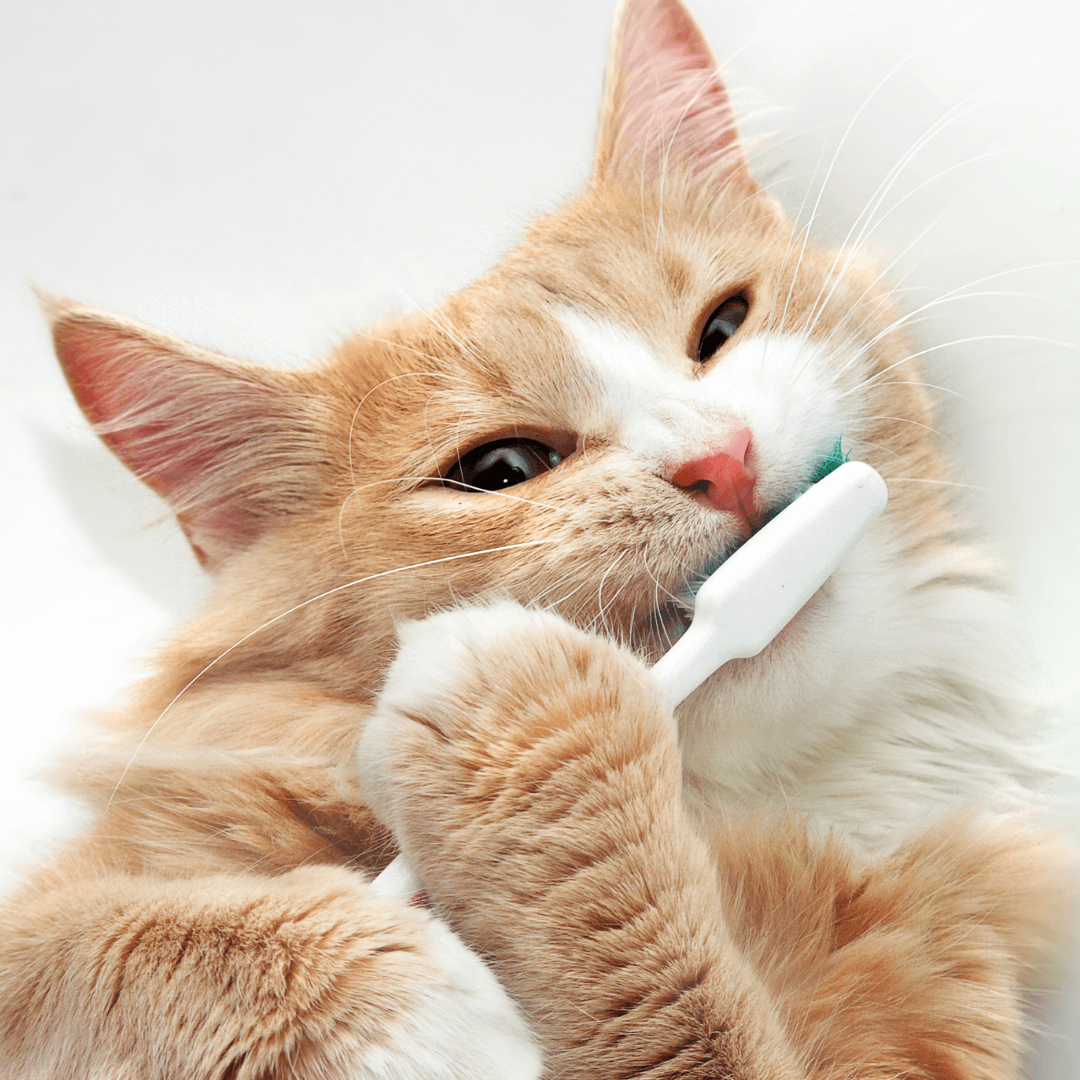
If only dental care for your cat were this easy.